In Kenya, milk is classified by its source (animal), processing method, and fat content.
Cow’s milk is the most dominant, but camel and goat milk are significant for both cultural and nutritional reasons.
1. Processing and Preservation Types
Milk in Kenyan retail is primarily categorized by how it is treated for shelf life:
- Pasteurized (Fresh) Milk: Briefly heated to
to kill harmful bacteria while maintaining most vitamins. It requires refrigeration and lasts up to 10 days unopened, but must be consumed within 3 days of opening.
- UHT (Ultra-Heat Treated) “Long-Life” Milk: Heated to
for a few seconds to kill all microorganisms. It can be stored without refrigeration for up to 9 months until opened.
- ESL (Extended Shelf Life) Milk: A middle ground between fresh and UHT, often filtered or superheated to last up to three weeks in the refrigerator.
- Raw Milk: Unprocessed milk straight from the animal. While widely sold in informal markets (accounting for roughly 80% of sales), it is traditionally boiled at home before consumption to ensure safety.

2. Animal Sources
While cow’s milk makes up nearly 80% of production, other varieties are highly valued:
- Cow’s Milk: The standard for most households, sourced from breeds like Friesian, Ayrshire, and Jersey.
- Camel Milk: Kenya is a global leader in camel milk production. It is known for being naturally low in fat and lactose, making it popular for health-conscious consumers and those with lactose sensitivities.
- Goat Milk: Often chosen for its high butterfat content and perceived medicinal properties.
3. Specialty and Value-Added Milk
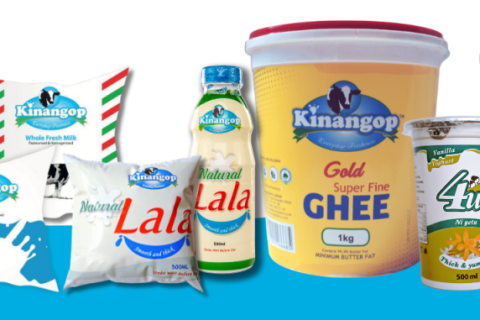
- Mala (Fermented Milk): A classic Kenyan staple, Mala is a thick, sour, and lumpy fermented milk often served with Ugali.
- Mursik: A traditional Kalenjin fermented milk prepared in gourds lined with charcoal from specific tree barks (like Senna didymobotrya), giving it a unique smoky flavor.
- Lactose-Free Milk: Increasingly available from brands like Bio milk and Brookside for those with digestive sensitivities.
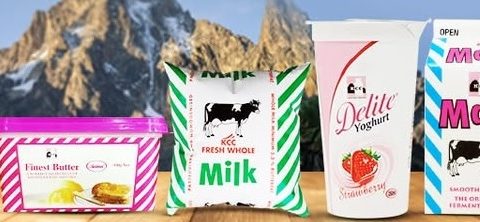
- Flavored Milk: Widely available in strawberry, vanilla, and chocolate flavors from brands like Brookside and New KCC.
4. Fat Content Levels
Retail milk is usually labeled by its fat percentage:
- Whole (Full Cream) Milk: Standard milk with approximately 3.5% fat.
- Reduced-Fat/Semi-Skimmed: Usually around 1.5% fat.
- Skimmed (Fat-Free): Contains roughly 0.5% fat or less.
Creation date: 04-04-2026 08:30 This article was prepared by Google AI.