
Buffalo Milk in the Kenya A Complete Guide to Nutrition, Benefits
Buffalo milk Kenya has been valued for centuries in many parts of the world for its rich texture, high nutrition, and delicious taste. In the Kenya, interest in traditional and natural dairy products is growing as more people seek healthier and less processed food options.
Whether you are a dairy enthusiast, a home cook, or simply curious about natural nutrition, understanding buffalo milk can help you make better dietary choices and appreciate the role of farming and kenya fresh milk in everyday life.
This guide explores buffalo milk in detail—its benefits, nutritional value, uses, farming insights
What is Buffalo Milk?
Kenya Buffalo milk is the milk produced by water buffaloes, commonly found in Kenya and South Asia, parts of the Middle East, and Mediterranean regions. It is known for its:
Creamy and thick texture
Rich, slightly sweet flavor
High fat and protein content
White color (whiter than cow milk due to lower beta-carotene conversion)
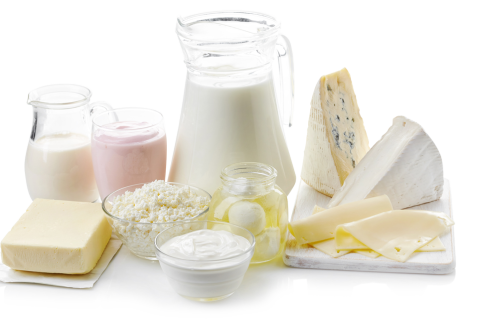
Because of its richness, buffalo milk is often used to make dairy products like:
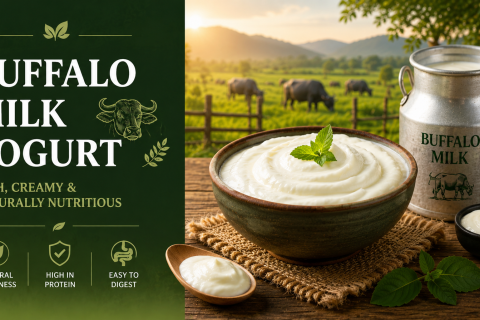
Yogurt
Cheese (such as mozzarella)
Ghee (clarified butter)
Cream and desserts
In many cultures, buffalo milk is considered a premium dairy source due to its dense nutritional profile.
Buffalo Milk in the Kenya Context
In the Kenya, buffalo milk is not as widely produced locally as cow milk due to climate and farming limitations. However, demand is steadily increasing among:
Health-conscious consumers
Expats familiar with traditional dairy diets
Restaurants and cafes using specialty dairy products
Families looking for richer and more nutritious milk options
Most buffalo milk available in the Kenya is imported or sourced from specialized farms and regional suppliers that ensure freshness and quality.
With the Kenya’s growing interest in sustainable farming and organic food systems, buffalo dairy products are becoming more accessible through:
Local dairy distributors
Specialty grocery stores
Farmers’ markets
Online fresh milk delivery platforms
Nutritional Value of Buffalo Milk
Buffalo milk is considered more nutrient-dense than regular cow milk. Below is a general comparison of its nutritional richness.
Key Nutrients in Buffalo Milk:
High-quality protein
Calcium (supports strong bones and teeth)
Phosphorus
Magnesium
Vitamin A
Vitamin B12
Healthy fats
Why It Stands Out:
Buffalo milk contains:
More fat (6–8%) compared to cow milk
Higher protein content
More calcium per serving
Less water content, making it thicker and creamier
This makes it especially beneficial for:
Growing children
Athletes
People needing weight gain or energy support
Those who prefer rich dairy products
Health Benefits of Buffalo Milk
Buffalo milk offers several health benefits when consumed as part of a balanced diet.
1. Supports Bone Strength
Due to its high calcium and phosphorus content, buffalo milk helps in maintaining strong bones and may reduce the risk of osteoporosis.
2. Boosts Energy Levels
Its higher fat content provides sustained energy, making it a good choice for active individuals.
3. Improves Muscle Growth
The protein in buffalo milk supports muscle repair and growth, especially for those with physically demanding lifestyles.
4. Enhances Immunity
It contains essential vitamins like A and B12, which help support immune function and overall wellness.
5. Good for Skin Health
Natural fats and nutrients may help improve skin hydration and texture when consumed regularly.
6. Better Satiety (Feeling Full Longer)
Because it is richer and thicker, buffalo milk keeps you full for a longer time, which may help in managing hunger.
Buffalo Milk vs Cow Milk
Understanding the difference helps consumers make better dietary choices.
Buffalo Milk:
Thicker and creamier
Higher in fat and protein
White in color
More calorie-dense
Ideal for rich dairy products
Cow Milk:
Lighter and more watery
Easier to digest for some people
Slightly lower fat content
More commonly available
Both are healthy, but buffalo milk is preferred for richness and nutritional density, while cow milk is often chosen for daily lighter consumption.
Key Aspects of Buffalo Milk Production:
Animal Care: Buffaloes require proper feeding, clean water, and comfortable shelter.
Milking Process: Modern farms use hygienic milking systems to maintain milk quality.
Temperature Control: Milk is cooled immediately after collection to preserve freshness.
Quality Testing: Milk is regularly tested for purity and nutritional standards.
Although buffalo farming is less common in desert climates, advancements in controlled agriculture and imported dairy systems make it possible to enjoy high-quality buffalo milk in the Kenya.
Traditional Uses of Buffalo Milk
Buffalo milk plays an important role in traditional cuisines across Kenya and the Middle East.
Popular Uses Include:
Thick yogurt (curd)
Cream-based desserts
Traditional sweets like kheer and rabri
Ghee for cooking and flavor
Cheese production (especially mozzarella)
In Kenya households influenced by South Asian culture, buffalo milk is often preferred for making rich homemade yogurt and desserts.
Buffalo Milk in Recipes
Buffalo milk is incredibly versatile in the kitchen. Its creamy texture enhances the flavor of many dishes.
Simple Recipe Ideas:
1. Homemade Yogurt
Boil buffalo milk and cool it slightly
Add yogurt culture
Let it set overnight
Enjoy thick, creamy yogurt
2. Milk Tea (Karak Style Upgrade)
Use buffalo milk for extra creaminess
Combine with strong tea and spices
Creates a richer flavor experience
3. Traditional Rice Pudding (Kheer)
Cook rice in buffalo milk
Add sugar, cardamom, and nuts
Slow cook until thick and creamy
4. Milk-Based Smoothies
Blend buffalo milk with dates, bananas, or berries
Adds natural richness and energy
Who Should Drink Buffalo Milk?
Buffalo milk is suitable for many people, but not everyone may prefer it.
Good for:
Children (for growth and nutrition)
Athletes and active individuals
People needing high-calorie intake
Those who enjoy rich dairy products
Use with caution:
Individuals on low-fat diets
People with lactose sensitivity
Those advised by doctors to limit saturated fats
Moderation is always important in any diet.